
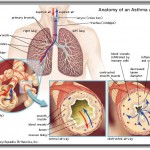
The use of acupuncture and Chinese herbs can relieve and management asthma and other inflammatory diseases.
Wheezing and shortness of breath are both considered as symptoms of asthma and may be present in many different types of pulmonary syndromes such as acute bronchitis, chronic bronchitis and emphysema.
Many factors may trigger an asthma attack. Examples include, diet, emotional disturbances, congenital weakness and chronic illnesses. External pathogenic factors, such as cold or heat, commonly induce asthma attacks.
Diet can also trigger an asthma attack. Raw and cold food may injure the Spleen and tend to contribute to the stagnation of fluid circulation and the increase in the production of phlegm.
Congenital weakness and chronic illness are also common causes of asthma.
Allergy to inhaled pollutants and pollen also contribute to asthmatic diseases. Most modern cities have problems with air quality outdoors, and indoor air is subject to pollution by furnishings, household chemicals, cosmetics and pet dander. Casual use of insecticides, pesticides and herbicides on lawns and food crops, as well as indoor exposures at work and at home, thus this disease affects more than 20 million people.
Common deficiencies in asthma include lung, spleen, and kidney deficiency. Acupuncture can help sedate the excessive organ, and tonbify the deficient organs, restoring balance to the body. Thus the use of acupuncture and dietary therapy can be very helpful to reduce or eliminate the signs and symptoms of allergic and irritant asthma and sinus disease.
Asthma often is worse at certain seasons and at certain times of day. As with many chronic imbalances, treatment may require an ongoing effort of the patient and physician. Because there are different forms of asthma and each person may have a different imbalance, developing the correct, individualized, approach also takes time.
The best medicine results from a strong relationship between the practitioner and patient, with each taking personal responsibility for improving the patient’s health.